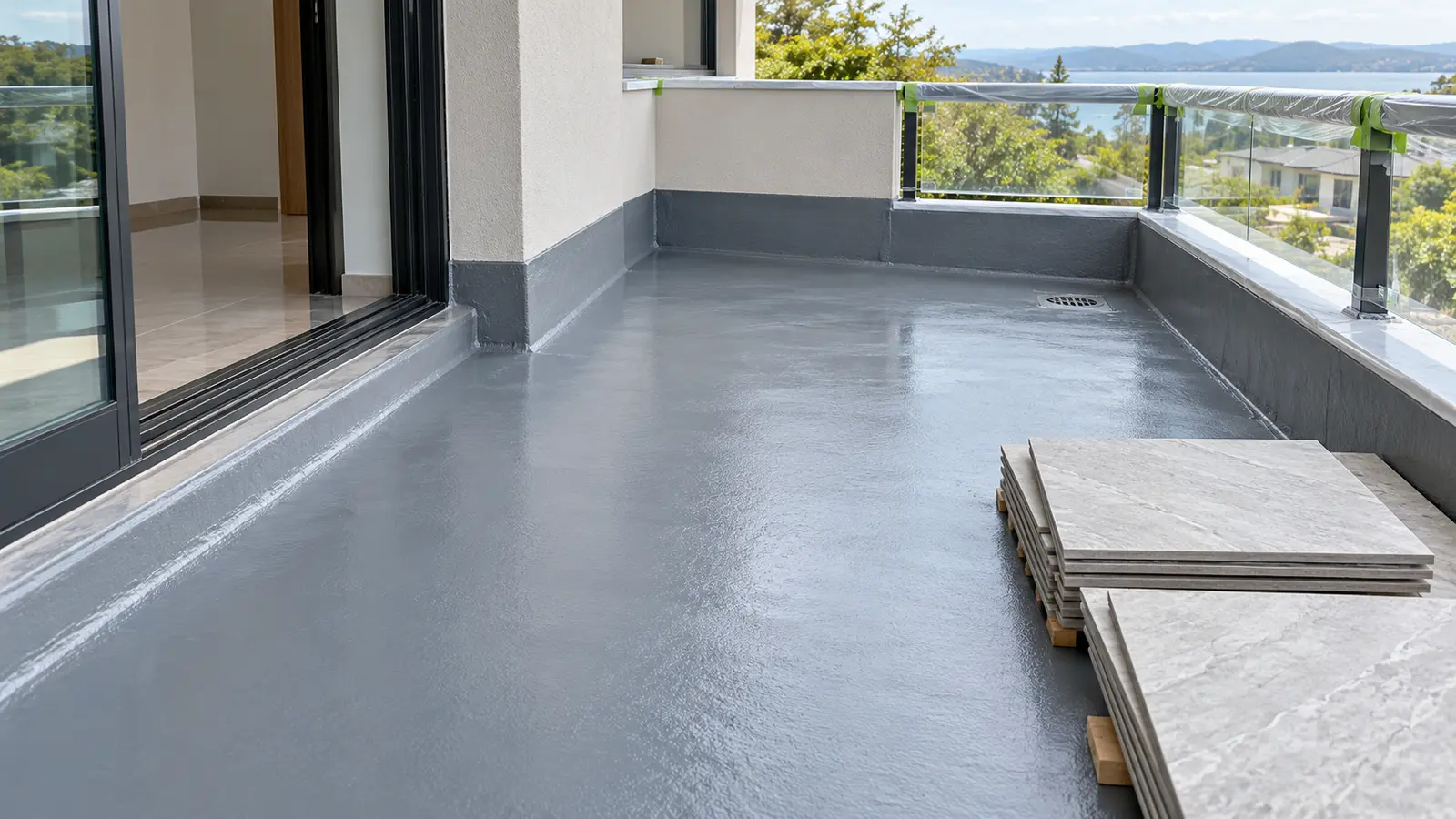
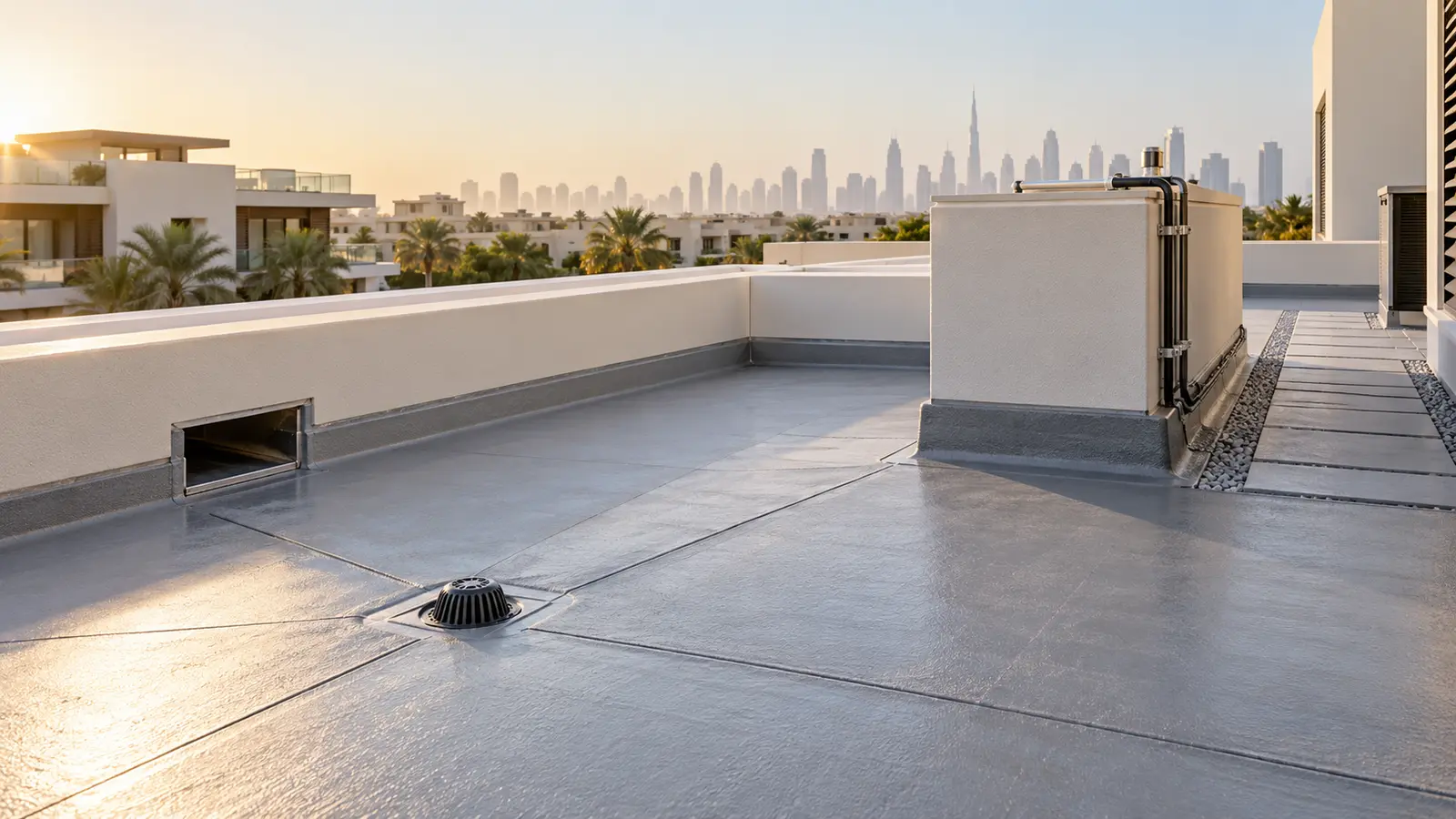
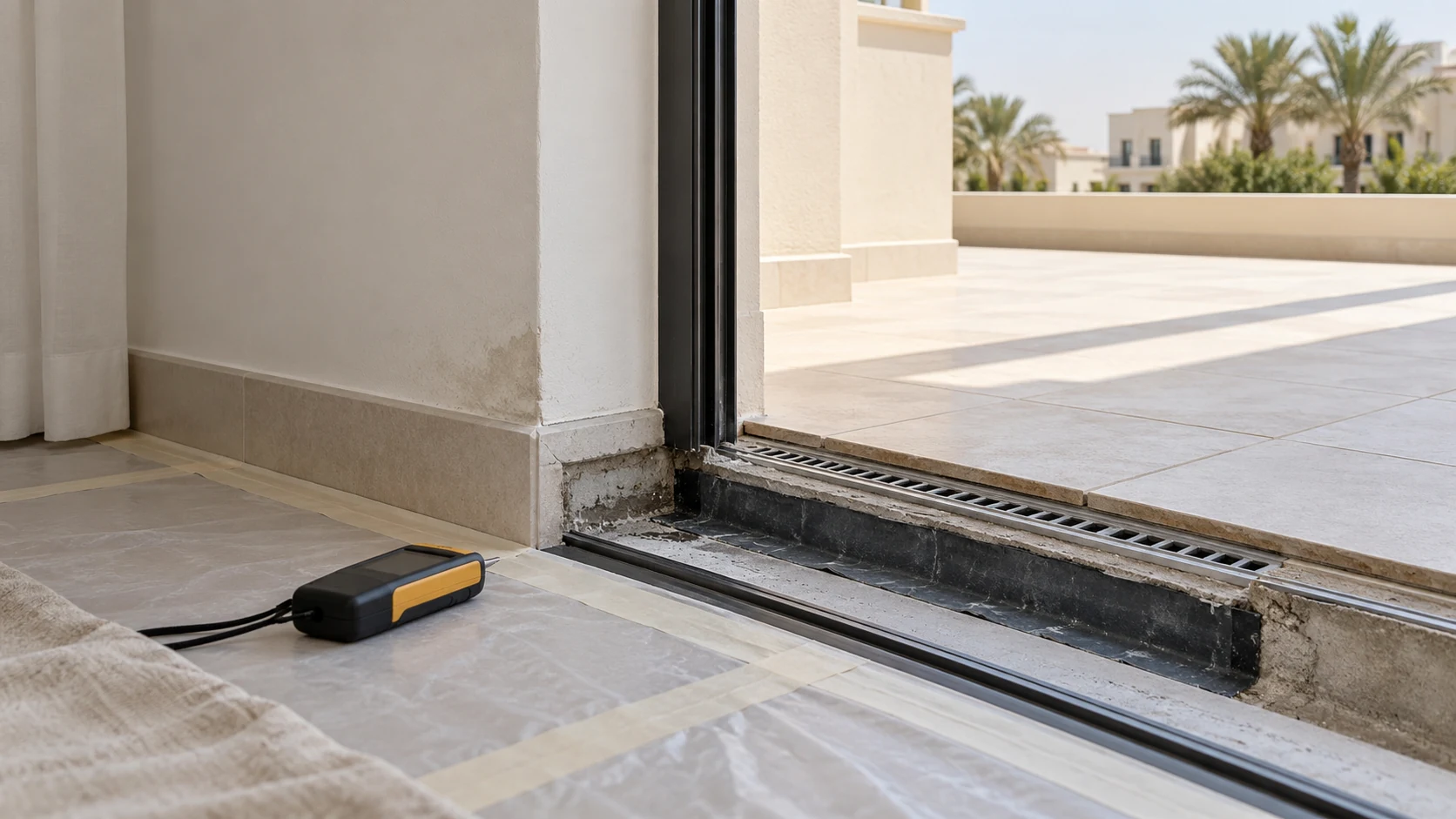
Understand the source before treating the surface.
A waterproofing scope begins with the reported issue and the construction around it. Investigate the cause, define the relevant system and document concealed work before finishes cover it.
A waterproofing scope begins with the reported issue and the construction around it. Investigate the cause, define the relevant system and document concealed work before finishes cover it. Your proposal identifies the agreed work packages, material choices and responsibilities for your specific property.
01
Condition and symptom review
02
Preparation and repair scope
03
System specification
04
Inspection and reinstatement
BEFORE DESIGN IS FINALISED
The right questions at the right time.
What evidence identifies the source?
Which finishes need removal?
How will the work be checked?
We work through these decisions using the existing property information, site conditions and your priorities. Any specialist review or approval responsibility is identified in the project proposal.
BUDGET & PROGRAMME
Start with the scope.
A useful price follows measured quantities and an agreed specification. For villa waterproofing, the scope and installation interfaces matter as much as the visible finish.
The programme separates design, external reviews, procurement and site work. It also records the decisions needed from you before orders or installation can proceed.
Find the route of the water before choosing a repair.
Visible damp can be a symptom rather than the source of a problem. Record where and when it appears, previous repairs and the conditions around the affected area. The investigation should distinguish confirmed findings from assumptions, then define preparation, interfaces and the proposed waterproofing system. Covering the visible finish without understanding the cause can leave the underlying issue unresolved.
Keep the agreed choices with the current drawings and specification. Identify who designs, supplies and installs each element, and how the work connects to neighbouring packages.
The proposal should also record any remaining investigations, product information and handover requirements. Resolve changes in writing so their effect on the scope and programme can be reviewed.
An owner notices a damp patch after particular conditions and wants the surface repaired. Begin with a record of when the symptom appears and any previous work. Ask the appropriate specialist to investigate before assuming its cause or selecting a system. Compare the confirmed remedial scope with any separate decorative reinstatement. A cosmetic repair should not be presented as resolving an underlying issue that has not yet been assessed.
A SCOPE YOU CAN REVIEW
What to resolve in the proposal
The proposal should explain the findings, limits of investigation, specified system and relevant preparation and reinstatement work. Identify technical responsibility, manufacturer requirements, review stages and the agreed evidence of completion. Keep unresolved conditions and exclusions visible. Retain the final product and installation information with any actual warranty terms, without assuming a universal guarantee applies to every location or cause.
Start with a dated symptom record before finishes are opened. Note whether the issue follows rain, irrigation, plumbing use or another event; mark the visible extent; and gather earlier repair information. This does not prove a cause, but it gives the appointed specialist a clearer basis for planning inspection and avoids turning every damp mark into the same repair assumption.
Ask the investigation scope to state what can and cannot be concluded from the planned access or testing. A terrace junction, service penetration and internal wet area may require different expertise and repair boundaries. Keep investigation, remedial work and decorative reinstatement as visible parts of the proposal so a limited finish repair is not mistaken for resolution of an unverified source.
Compare complete remedial systems, not product names
When a cause and repair area are sufficiently understood, compare proposals on the prepared substrate, junction details, compatible components, protection and review stages. A named membrane or coating alone does not describe the complete installation. The responsible specialist should connect the selected system to the actual location and the relevant manufacturer information.
Clarify how adjoining finishes, thresholds, drainage and penetrations are treated, and who accepts the condition before each concealed stage is covered. Where an opening reveals a different condition, the change should be recorded and reviewed before the team proceeds. This keeps additional work tied to evidence instead of relying on an open-ended allowance.
Plan reinstatement and aftercare from the outset
A repair can affect tiles, paint, joinery, paving or occupied rooms beyond the waterproofing area. Record protection, drying or access assumptions and the basis for matching retained finishes. If a perfect match is uncertain, agree the visible repair boundary before work begins rather than leaving the decision until the technical work is complete.
At handover, keep the final product references, photographs of concealed stages where agreed, completion checks and actual warranty documents. Record what should prompt a follow-up review and which retained areas were outside the scope. Good aftercare information supports later diagnosis without claiming that every future moisture symptom has the same cause or is covered by one repair.
CONNECTED SCOPE
Plan the neighbouring decisions.
These related services often meet this scope at shared drawings, finishes, services or handover points.